



Thought-provoking articles and classroom ideas for English teachers who never stop learning.
So, you’re teaching a CLIL subject – now what?
New to CLIL teaching? Don't panic. This article explains the fundamentals of Content and Language Integrated Learning, clarifies common myths, and offers practical guidance to help you focus on what matters most: supporting learners as they develop subject knowledge through English.
Read this post
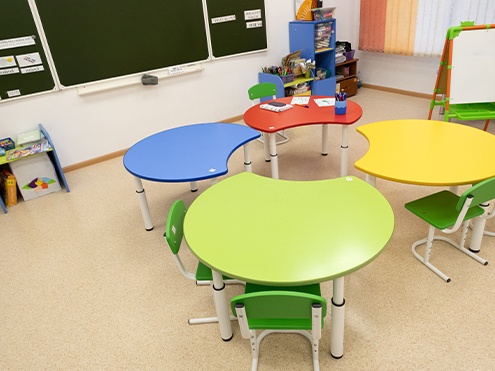

The classroom is more than a place where learning happens. When space, organisation, and wellbeing are considered together, it becomes a dynamic environment that supports curiosity, concentration, and student growth every day.
Read this post
We see more and more students with dyslexia, autism and ADHD in our language classes. It’s something I hear almost on a daily basis.
It’s important to realize this and to be aware of the lived experiences of our neurodivergent students. But awareness is not enough. We need to change what we are doing and how we are doing it. We need to adjust our teaching to the needs of these students.
Read this post

Exam season is upon us once again and many of our students will be taking Cambridge exams to demonstrate their level and consolidate the learning they’ve built up throughout the year. Secondary students might be taking the A2 Key or B1 Preliminary, or one of Cambridge’s higher-level qualifications such as B2 First for Schools or the C1 Advanced.
Read this post

What is visual literacy and why is it an important topic for teenagers in today’s world? Learn all about it and find five practical, low-prep, high motivation ideas for developing visual literacy skills in the teen classroom on our latest blog.
Read this post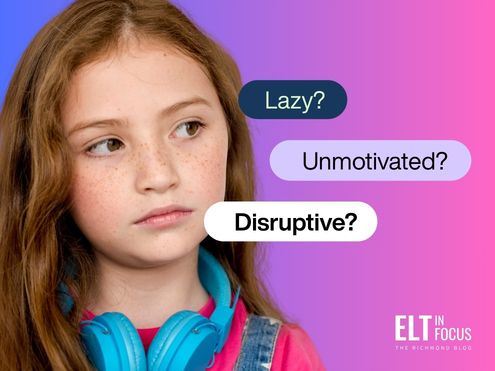
Class clown. Difficult. Careless. Sometimes, even “not the sharpest tool in the box.”
In schools across the globe, these labels are still used far too often for children, teenagers, and even university students. I’ve heard them as a student, as a school manager, as a coach and researcher working with dyslexic and ADHD students, and during training sessions with language teachers.
Read this post
Socio-Emotional Learning (SEL) is a hot topic in education these days, often finding its way onto school websites and into teacher training modules. Beyond its buzzword status, SEL has deep implications for us as teachers. After all, emotional intelligence is a fundamental aspect of early childhood education. When we integrate SEL into daily classroom life, through games, expectations, and purposeful, creative activities, children gain the tools they need to understand themselves and build healthy relationships with others.
Read this post

 Category