



Thought-provoking articles and classroom ideas for English teachers who never stop learning.
New Year, New Layout
The classroom is more than a place where learning happens. When space, organisation, and wellbeing are considered together, it becomes a dynamic environment that supports curiosity, concentration, and student growth every day.
Read this post



The summer holidays are almost here. How can you keep your students happy engaged until school’s out? Here are 6 ways to get them motivated.
Read this post

English is full of words that have different meanings depending on the context in which they are used and a case in point is the word “mean” itself. Find out just what mean “means” and see why teaching English is never is as straightforward as it seems but is always full of great surprises!
Read this post


CLT (Communicative Language Teaching) is a teaching approach in which interaction is both the means of study and the fundamental objective of study. The teacher’s task is to help the learners develop their communicative competences
Read this post
In this post, we’ll explore the connection between movement and long-term memory. As mammals, we began learning through movement soon after the time of conception, by joggling around in our mother’s wombs. For young learners, physical activity is widely considered to be the norm in learning and studies show how powerful movement is in the assimilation and retention of information for learners of all ages. So, let’s find out how stimulating the cerebral hippocampus with movement results in long-term memory.
Read this post
Firstly, just what is Task Based Learning?
In traditional approaches to teaching, lessons are designed with the language as the primary focus. Teachers follow a syllabus that lists the grammar and vocabulary to be taught and they use materials that are designed specifically with this language in mind.
Read this post
The effect listening to music has on the brain, and the problem-solving methods often used in studying music, both stimulate neuronal areas that generate deep, divergent, lateral thinking. In this post, we’ll clarify the nature of music as a learning tool, explore the different ways music converts us into expansive (as opposed to vertical) thinkers, and present techniques you can use to generate flexible thinking in your students.
Read this post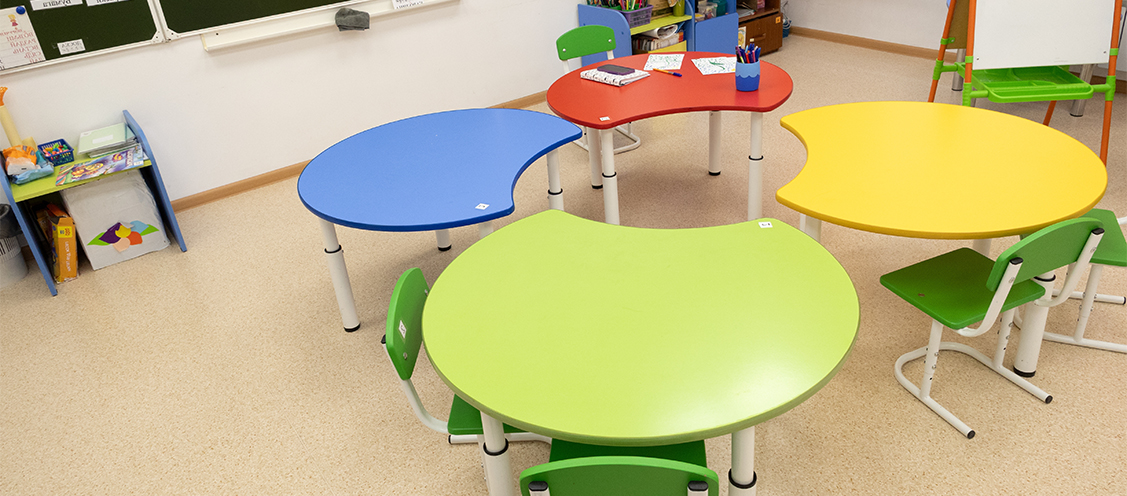

 Category