



Thought-provoking articles and classroom ideas for English teachers who never stop learning.
New Year, New Layout
The classroom is more than a place where learning happens. When space, organisation, and wellbeing are considered together, it becomes a dynamic environment that supports curiosity, concentration, and student growth every day.
Read this post



Is it natural to separate disciplines (subjects)? It is helpful? Wouldn’t mixing disciplines help students to assimilate information more deeply? If we are concerned about promoting critical thinking in our lessons, surely interdisciplinary projects would promote this dynamic more integrally? Let’s look at the history, objectives and some examples of interdisciplinary projects and see if we can answer these questions.
Read this post
When students aren’t motivated at the beginning of a class, it can be hard to grab their attention. Here, we give you some ideas on how to engage your students every time, right from the start.
Read this post
Being a teacher has always had its advantages and drawbacks, its rewards and its sacrifices. According to the author, Nick Franklin, as teachers we have more real experiences than people who do most other jobs and communicate and grow as a result. Discover Nick's thoughtful response to the question "Why do we teach?" and his tips to help us enjoy what for many teachers is a vocation.
Read this post
In the last of a three-part post about how to assess project-based learning, here is a variety of techniques you can use to formatively assess your students whilst they are working on projects.
Read this post

Assessment is one of the main reasons teachers feel uncomfortable with the idea of dedicating time to project work in class. If you are one such teacher, don’t worry! Here, in the second of a three-part post about assessment when doing project work, we’ll answer the question: “How do I balance content and language in assessments?”
Read this post
Assessment is one of the main reasons teachers question whether it’s a good idea to dedicate time to project work in class. Don’t panic! We’ve got several assessment solutions for you, and we wholeheartedly support your decision to let your students’ varied learning styles shine thanks to project work.
Read this post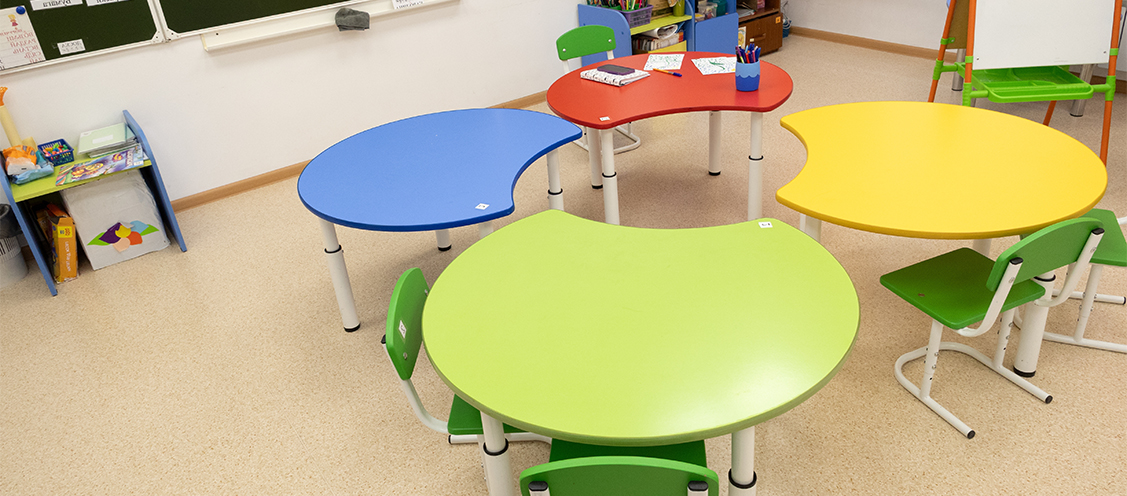

 Category